
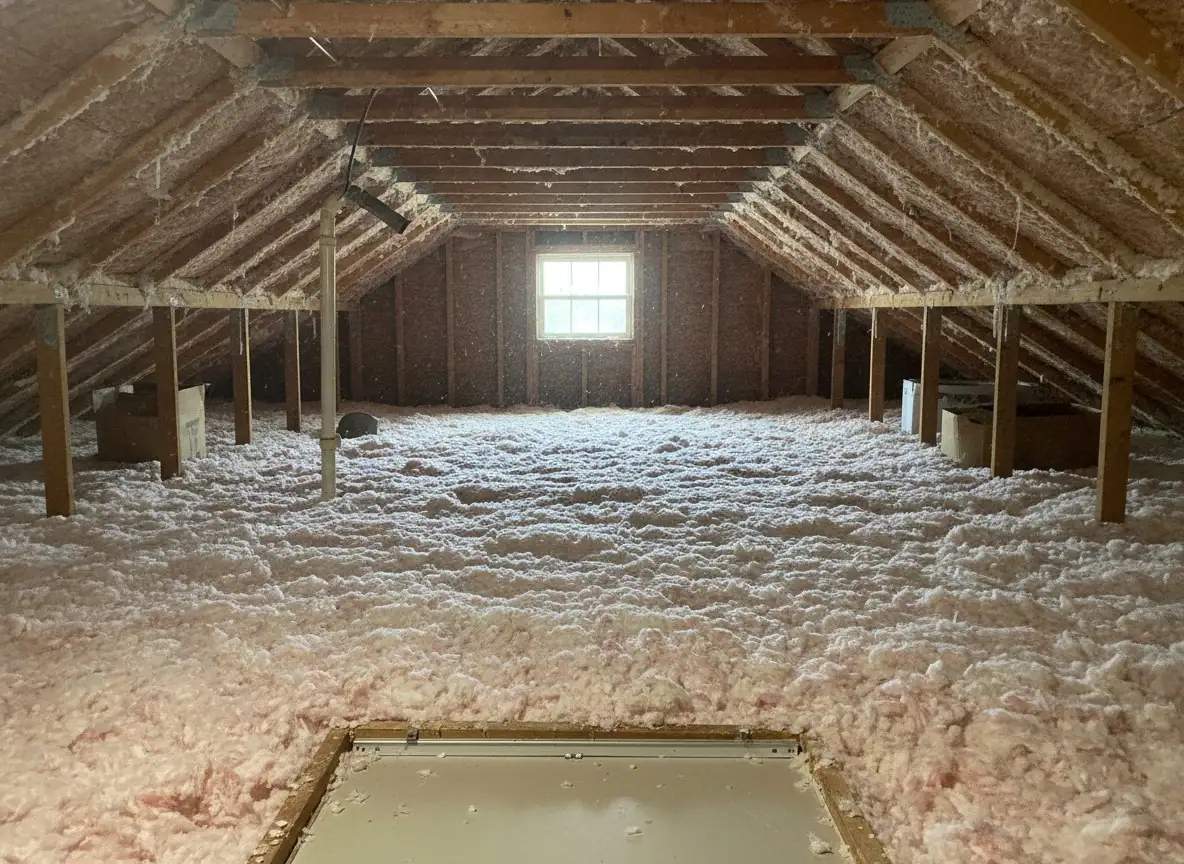
Crawl Space Encapsulation Cost in Bothell, WA
Crawl space encapsulation cost in Bothell depends on the size of your crawl space, how much moisture is under the house, how easy it is to work down there, and whether old insulation or damaged materials have to come out first. This page explains how pricing is built, what is included and what is extra, and how to get a written quote after a free inspection from Bothell Insulation Pros.
Bothell's wet winters, high water table in some neighborhoods, and vented crawl spaces make moisture control a real issue for many homes. Knowing what drives the price makes it easier to budget, compare quotes, and choose between a basic vapor barrier and full encapsulation.
At a glance
How much does crawl space encapsulation cost in Bothell?
Crawl space encapsulation cost in Bothell varies with scope: a basic vapor barrier is the lowest tier, standard full encapsulation sits in the middle, and jobs that add drainage, a sump pump, a dehumidifier, or repairs cost the most. We do not publish set prices because two crawl spaces of the same size can need very different work. Every figure on this page is a range or a comparison, and your exact price comes from a free inspection and written estimate.
| Cost summary | What to expect in Bothell |
|---|---|
| Lowest tier | Vapor barrier only, on a dry crawl space with good access |
| Typical tier | Full encapsulation: heavy liner (usually 12- to 20-mil), wall coverage, sealed vents, insulation |
| Highest tier | Encapsulation plus drainage, sump pump, dehumidifier, mold remediation, or insulation removal |
| Labor adjustment | Under 24 inches of clearance commonly adds 15% to 30% to labor |
| How you get a price | Free inspection, then a written, itemized quote |
Pacific Northwest crawl spaces often land in the middle or upper tier because seepage and humidity are common here. The scope table below shows how each tier is put together.
| Scope | What it covers | Relative cost |
|---|---|---|
| Vapor barrier only | Ground liner over the dirt floor, seams taped | Lowest |
| Standard encapsulation | Liner, wall coverage, sealed vents and access, insulation | Moderate |
| With drainage or sump | Perimeter drain, sump basin and pump, plus encapsulation | High |
| Dehumidifier add-on | Crawl space dehumidifier sized to the space, drain line, power | Varies with capacity and install |
| Prep and repairs | Mold treatment, old insulation removal, wood repairs | Small to significant, depending on damage |
Size is the easiest factor to measure, so a common benchmark is the 1,000 sq ft crawl space.
At a glance
How much does it cost to encapsulate a 1,000 sq ft crawl space?
A 1,000 sq ft crawl space usually falls in the moderate tier for standard encapsulation, and it moves higher when drainage, a dehumidifier, or cleanup is needed. Many Bothell homes have crawl spaces in the 1,000 to 1,200 sq ft range, which makes this a useful example. Here is how we break a job like this into measurable line items:
| Line item | How it is measured | Example for 1,000 sq ft |
|---|---|---|
| Floor liner | Square feet of floor plus overlap | About 1,000 sq ft plus seam overlap |
| Wall coverage | Perimeter times wall height | About 130 linear ft of wall, height measured on site |
| Vent sealing | Number of foundation vents | Counted during inspection |
| Insulation | Wall area or rim joist length | Rim joists plus foundation walls |
| Prep | Debris, old insulation, standing water | Only if found |
| Moisture equipment | Dehumidifier or sump, if needed | Based on humidity and water readings |
Two 1,000 sq ft crawl spaces can be priced very differently if one has 18 inches of clearance and standing water and the other is dry with 3 feet of headroom. That is why contractors often talk about cost per square foot.
Free, no-obligation estimates
Talk to Bothell Insulation Pros
Tell us what you need and we’ll take it from there.
What is the crawl space encapsulation cost per sq ft?
Crawl space encapsulation cost per sq ft is a blended number: total job cost divided by floor area, so it rises as scope, wall height, and difficulty rise. A per-square-foot figure is handy for comparing quotes, but it can mislead. A small crawl space with tall walls has more wall area per floor foot, so it costs more per sq ft than a large, shallow one.
- Lower per-sq-ft jobs: large, dry, open crawl spaces with good clearance and few vents.
- Higher per-sq-ft jobs: small or chopped-up spaces, tight clearance, piers and ductwork to wrap around, or wet soil.
- Add-ons priced separately: sump pumps and dehumidifiers are usually quoted as units, not per square foot.
To compare quotes fairly, you need to know exactly what each one includes.
At a glance
What does the price include: vapor barrier, wall coverage, sealed vents and insulation?
A standard full encapsulation price includes a heavy-duty liner (typically 12- to 20-mil), coverage up the foundation walls, sealed vents and access openings, and insulation. Items outside that base scope are quoted as extras.
| Usually included | Usually extra |
|---|---|
| Reinforced liner over the ground, seams taped | Perimeter drainage and sump pump |
| Liner carried up and fastened to foundation walls | Dehumidifier and its drain line |
| Wrapping piers and posts | Mold remediation |
| Sealing foundation vents and the access door | Removing old fiberglass batts |
| Rim joist or wall insulation | Wood, joist, or beam repairs |
| Basic debris clearing | Electrical work for new equipment |
For insulation details, see our crawl space insulation cost page. Many homeowners then wonder whether a liner alone is enough.
What is the vapor barrier crawl space cost compared with full encapsulation?
A vapor barrier crawl space cost is noticeably lower than full encapsulation because it covers only the floor, but in wet Pacific Northwest conditions a liner alone is often not enough. A floor barrier stops ground moisture from evaporating up, yet open vents still pull in humid outdoor air for much of the year, and condensation can form on cold surfaces.
- Vapor barrier installation fits: dry crawl spaces, budget-limited projects, or as a first phase.
- Full encapsulation fits: musty odors, damp insulation, high humidity readings, or plans to finish rooms above.
- Drainage or dehumidification fits: standing water, seepage through walls, or humidity that stays high after sealing.
Choosing the right level depends on several site conditions.
At a glance
What factors change the price of encapsulating a crawl space?
Size, clearance, moisture level, and existing damage are the main factors that change the price of encapsulating a crawl space. Here is how each affects your quote:
| Factor | Why it changes the price |
|---|---|
| Size and wall height | More floor and wall area means more liner, insulation, and labor |
| Clearance and access | Under 24 inches can add 15% to 30% to labor; small hatches slow material handling |
| Moisture | Standing water, seepage, or high humidity may require drainage, a sump, or a dehumidifier |
| Existing damage | Mold, wet or fallen insulation, and rotted wood must be addressed first |
| Obstructions | Ductwork, plumbing, and many piers add cutting and sealing time |
| Materials | Thicker liners and different insulation types change material cost |
| Permits and electrical | Some equipment installs need a dedicated circuit or permit |
If old insulation is wet or moldy, our insulation removal and replacement cost page explains that prep step. Structural damage is the most variable factor of all.
How much does it cost to replace a support beam in a crawl space?
The cost to replace a support beam in a crawl space depends on beam length, how many posts or piers are involved, whether the house must be jacked, access, and whether a permit or engineer is required. It is structural work, separate from insulation, and should be handled by a qualified structural or framing contractor. During our inspection we note sagging beams, rotted sill plates, or damaged joists so you can have them repaired before encapsulation. Sealing over active rot only hides the problem. Once the structure is sound, many homeowners look for the most affordable way to insulate.
What is the cheapest way to insulate a crawl space?
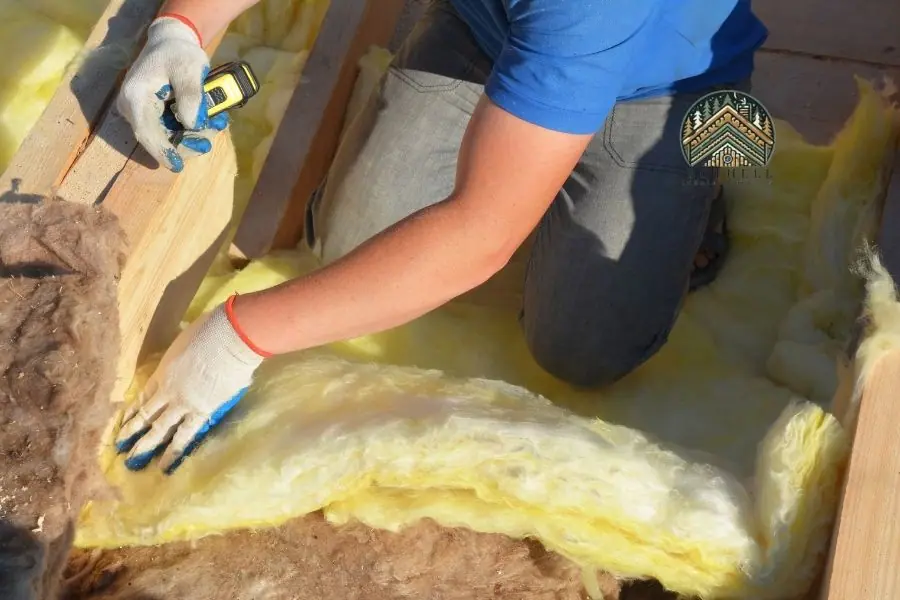
The cheapest way to insulate a crawl space is usually to fix moisture first, then insulate the foundation walls and rim joists of a sealed space rather than filling the floor joists. In vented crawl spaces, fiberglass batts between the joists are the lowest-cost material but often sag and absorb moisture in Bothell's climate. Rigid foam board on walls costs a bit more but resists moisture. Spray foam at rim joists seals air leaks well; see our spray foam insulation cost page. Whatever you choose, you will want to know how well the overall system works.
How effective is crawl space encapsulation, and what are the downsides?
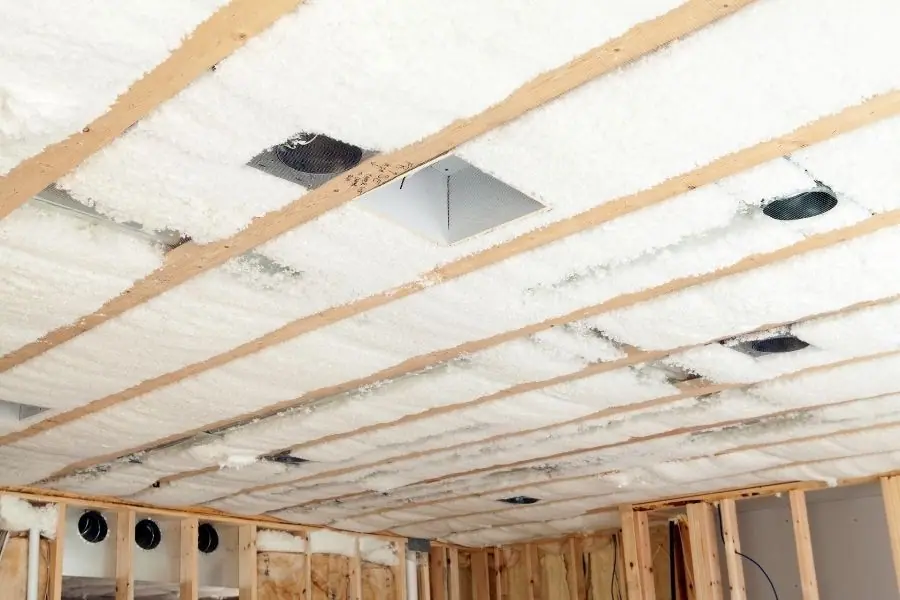
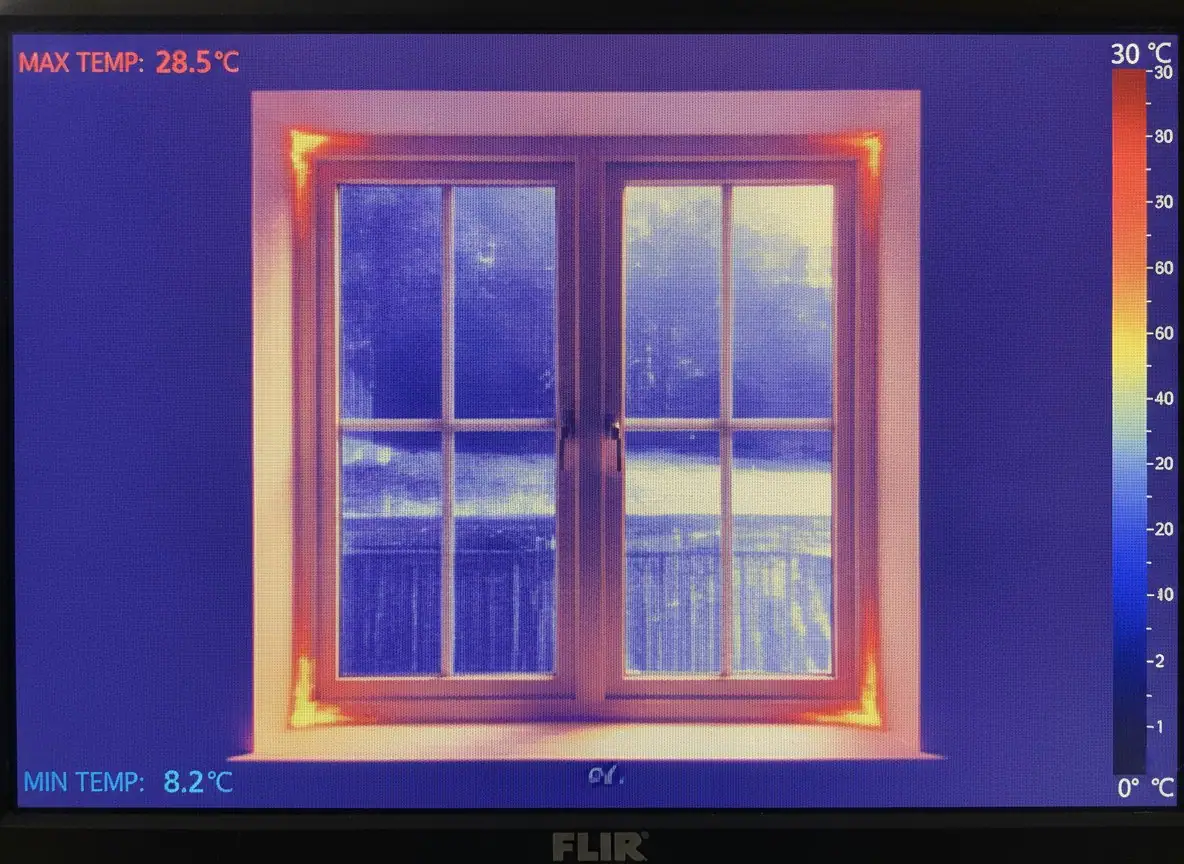
Crawl space encapsulation is effective at reducing ground moisture, musty odors, and drafty floors when the space is properly sealed and humidity is managed. Benefits include a drier structure, fewer conditions for mold and pests, warmer floors, and less load on heating and cooling.
The downsides are real and worth weighing:
- Higher upfront cost than a basic vapor barrier.
- A liner alone will not stop active water entry; that needs drainage.
- A sealed space usually needs dehumidification or conditioned air, which uses some electricity.
- Combustion appliances in the crawl space need proper venting review.
- Liners can be torn by foot traffic during later service visits.
Because the investment is significant, homeowners often ask about tax benefits and payment options.
Can you claim crawl space encapsulation on taxes, and is financing available?
Some insulation and air sealing components of an encapsulation project may qualify for federal energy-efficiency incentives, but eligibility depends on current rules and your situation, so check with a tax professional. We do not give tax advice. We can provide an itemized invoice that separates insulation, liner, and equipment so your tax preparer can review it.
Financing and insurance help: Bothell Insulation Pros offers financing so you can spread out project costs. If your crawl space was damaged by a plumbing leak or flooding, we help homeowners with insurance claims by documenting conditions and scope. We also offer 24/7 emergency service for urgent water problems. The next step is getting a quote that reflects your actual crawl space.
How do you get an accurate crawl space encapsulation quote in Bothell?
You get an accurate crawl space encapsulation quote by having the space inspected in person, because measurements and moisture readings set the price. Our process:
- Schedule a free inspection by phone or through our free estimate form.
- We measure floor area, wall height, perimeter, and clearance.
- We check for standing water, seepage, humidity, mold, and the condition of existing insulation.
- We note vents, ducts, piers, and any structural concerns.
- You receive a written quote listing what is included and any recommended extras.
For other projects, see our insulation cost guide for Bothell homes or learn about our crawl space encapsulation service. As a Bothell insulation contractor, we are insured and serve homeowners and businesses. Call (425) 528-8317 to book your free inspection.
FAQ
Frequently asked questions
How long does crawl space encapsulation take?
Most standard jobs take one to a few days. Insulation removal, mold treatment, drainage, or tight clearance can extend the timeline, and your quote will include an estimate.
Does crawl space encapsulation add value to a home?
It can make a home more appealing by addressing moisture, odors, and comfort issues that inspectors and buyers look for. The exact effect on value depends on your home and local market.
Do I need to remove old insulation before encapsulating?
If existing insulation is wet, moldy, sagging, or contaminated by pests, it should be removed first. Dry, intact insulation may sometimes stay; we assess this during the inspection.
Will encapsulation stop musty smells in my house?
In many homes it greatly reduces musty odors because damp crawl space air rises into living areas. If mold is present, it needs treatment, and humidity must be controlled for lasting results.
Does homeowners insurance cover crawl space encapsulation after water damage?
Policies often cover sudden damage, like a burst pipe, but not gradual moisture or upgrades. Coverage depends on your policy. We help homeowners with insurance claims by documenting damage and scope.
Is a sump pump or dehumidifier always needed in Bothell crawl spaces?
No. A sump pump is for standing water or seepage, and a dehumidifier is for humidity that stays high after sealing. Many Bothell crawl spaces need one or both, but we recommend them only when inspection readings call for it.
Ready to know your real number? Call Bothell Insulation Pros at (425) 528-8317 for a free inspection and written estimate.
Why choose us
Why choose Bothell Insulation Pros?
Free estimates
Get a clear, no-obligation estimate before any work begins.
Licensed & insured
Your property and our crew are protected on every project.
Residential & commercial
One team for homes, multi-family and commercial properties.
Locally owned & operated
A local team serving your community and the surrounding area.
Get in touch
Find insulation help near you
Request a free estimate online or give us a call — our team will follow up quickly.
- Call us(425) 528-8317
- Visit19125 N Creek Pkwy Ste 120 A, Bothell, WA 98011
- HoursMon-Sun: 7:00 am – 7:00 pm