
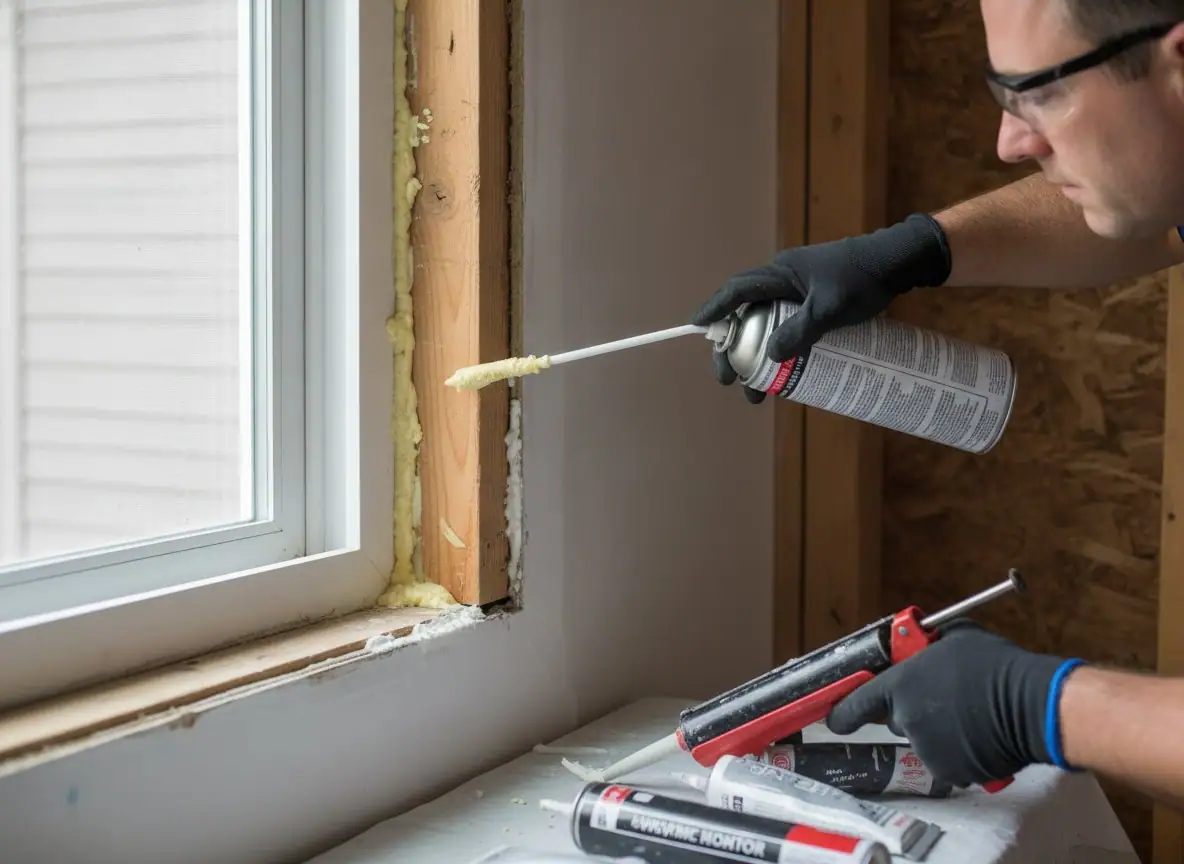
Crawl Space Insulation Cost in Bothell, WA
Crawl space insulation cost in Bothell depends on the size of the crawl space, the material you choose, how easy the space is to work in, and whether old or wet insulation has to come out first. Below, Bothell Insulation Pros explains what drives the price by material and per square foot, so you can compare batts, rigid foam, spray foam and encapsulation before you request a free estimate.
Bothell's mild, damp winters make crawl spaces a common source of cold floors, musty air and wasted heat. A correctly insulated, moisture-controlled crawl space keeps floors warmer and protects the framing above it. Because no two crawl spaces are the same, we give every homeowner a written quote after a free inspection rather than a one-size price.
What does it cost to insulate a crawl space in Bothell?
The cost to insulate a crawl space in Bothell depends on square footage, material, access, prep work and moisture conditions. That is why we price every job from an on-site inspection instead of a flat rate. National price guides show a wide spread for the same reasons. A standard insulation job in a dry, open crawl space sits at the low end. Full encapsulation, large footprints and crawl spaces with water or pest problems sit at the high end, and they can cost several times more than a basic job.
In practice, most Bothell homes fall into one of three scopes:
- Insulation only: batts or foam board added between floor joists or on foundation walls in a crawl space that is already dry.
- Insulation plus prep: removing old, sagging or damaged insulation, sealing air leaks and replacing the ground vapor barrier before new insulation goes in.
- Full encapsulation: a sealed liner on the floor and walls, insulated walls, sealed vents and often a dehumidifier. This scope is covered in detail on our crawl space encapsulation cost page.
For prices on other parts of the house, see our overview of insulation costs in Bothell. To compare crawl space options directly, it helps to look at price per square foot.
At a glance
What is the crawl space insulation cost per square foot?
Crawl space insulation cost per square foot changes mostly with the material and the scope of work. Fiberglass or mineral wool batts are the lowest per square foot. Rigid foam board is in the middle. Spray foam is higher, and closed-cell foam costs more than open-cell. Full encapsulation is the highest because it adds liners, sealing and equipment on top of insulation.
DIY batts look cheapest because you pay for materials only. They also do the least to stop air and moisture, and that matters in a Puget Sound crawl space. Professionally installed batts make the most sense in dry, accessible crawl spaces. Foam board and spray foam cost more, but they also seal and resist moisture. The table below compares them by relative cost, since your exact numbers come from your written quote.
| Option | Relative cost per sq ft | Typical total project size | Best fit |
|---|---|---|---|
| DIY fiberglass or mineral wool batts (materials only) | Lowest | Smallest; labor not included | Dry, roomy crawl spaces. Weak air and moisture sealing. |
| Professionally installed batts | Low to moderate | Small to moderate | Dry, accessible vented crawl spaces |
| Rigid foam board, installed | Moderate | Moderate | Foundation walls and rim joists. Moisture resistant when seams are sealed. |
| Spray foam (open or closed cell) | Moderate to high; closed cell highest | Moderate to large | Rim joists, irregular framing, air sealing. Closed cell needs a pro. |
| Full encapsulation | Highest | Largest | Damp crawl spaces, musty odors, homes converting to a sealed crawl space |
The material also determines how the work is done, so the next question is how a crawl space actually gets insulated.
Free, no-obligation estimates
Talk to Bothell Insulation Pros
Tell us what you need and we’ll take it from there.
How do you insulate your crawl space?
You insulate a crawl space in one of two ways. In a vented crawl space, you insulate the floor above it. In a sealed or conditioned crawl space, you insulate the foundation walls and rim joists. Either way, moisture has to be controlled first. Our installation process looks like this:
- Inspection: we measure the space, check clearance, look for standing water, mold, pest activity, damaged insulation and air leaks, and note vents and ductwork.
- Removal and cleanup: wet, fallen or contaminated insulation and debris come out. This work is described on our insulation removal page.
- Moisture control: we install or replace the ground vapor barrier and correct drainage issues we find before insulating.
- Air sealing: we seal gaps around plumbing, wiring, ducts and the rim joist so warm air doesn't leak out of the floor system.
- Insulation: batts go between floor joists, or foam board or spray foam goes on walls and rim joists, depending on the design.
- Support and final check: we secure floor insulation so it stays in contact with the subfloor, then walk the space to confirm coverage and clearances.
Step six matters more than many homeowners realize. Floor insulation only works if it stays in place, which brings up the question of what holds it up.

What holds up insulation in a crawl space?
Insulation in a crawl space is held up by spring-steel wire supports, wire or poly netting, twine or strapping fastened across the joists, or, for foam board, mechanical fasteners and adhesive. Batts between floor joists are usually held with wire supports spaced along the joist bay. The batt should be snug against the subfloor without being compressed. If supports are spaced too far apart, the batts sag and leave an air gap. Gravity, moisture and rodents pull a lot of old crawl space insulation down this way.
Spray foam needs no supports because it bonds to the wood. Rigid foam on foundation walls is mechanically fastened and sealed at the seams. How each material stays in place is one reason their prices differ, so here is how the three main types compare.
At a glance
Which insulation type costs what: batts, rigid foam or spray foam?
Batts cost the least, rigid foam costs more, and spray foam costs the most. Each step up in price also gives you better air sealing and moisture resistance.
| Feature | Fiberglass / mineral wool batts | Rigid foam board | Spray foam |
|---|---|---|---|
| Relative cost | Lowest | Middle | Highest (closed cell most) |
| Where it goes | Between floor joists | Foundation walls, rim joists | Rim joists, walls, underside of floor |
| Air sealing | Poor without separate sealing | Good when seams are taped or sealed | Excellent |
| Moisture tolerance | Low; holds water and sags | High | Closed cell high; open cell lower |
| DIY friendly | Yes | Partly | No; professional install |
| Best for | Dry, vented crawl spaces on a budget | Sealed crawl spaces and wall insulation | Hard-to-reach framing and maximum air sealing |
Many Bothell homes already have batts. Often the real question is what it costs to replace them.
What is the cost to replace insulation in a crawl space?
The cost to replace insulation in a crawl space equals the cost of new insulation plus a removal line item. Removal is usually priced per square foot and rises with contamination. Taking out dry batts that have simply fallen is quicker than removing wet, moldy or rodent-soiled material, which requires bagging, protective equipment and cleanup.
Replacement cost note: removal adds to the per-square-foot cost of any new installation. Removal is also when hidden problems such as rot, mold or pest damage come to light, and those can change the final scope. For details, see the cost to remove old insulation and our insulation replacement service.
Simple project examples, shown as ranges only:
- Small, dry crawl space, roughly 600–1,000 sq ft, batts reinstalled with new supports: low end of the range.
- Mid-size crawl space, roughly 1,000–1,600 sq ft, old batts removed, new vapor barrier and batts: moderate range.
- Larger or tight crawl space, roughly 1,500–2,500 sq ft, contaminated removal plus spray foam or encapsulation: high end of the range.
When homeowners replace insulation, many consider upgrading to spray foam. That raises the next question.
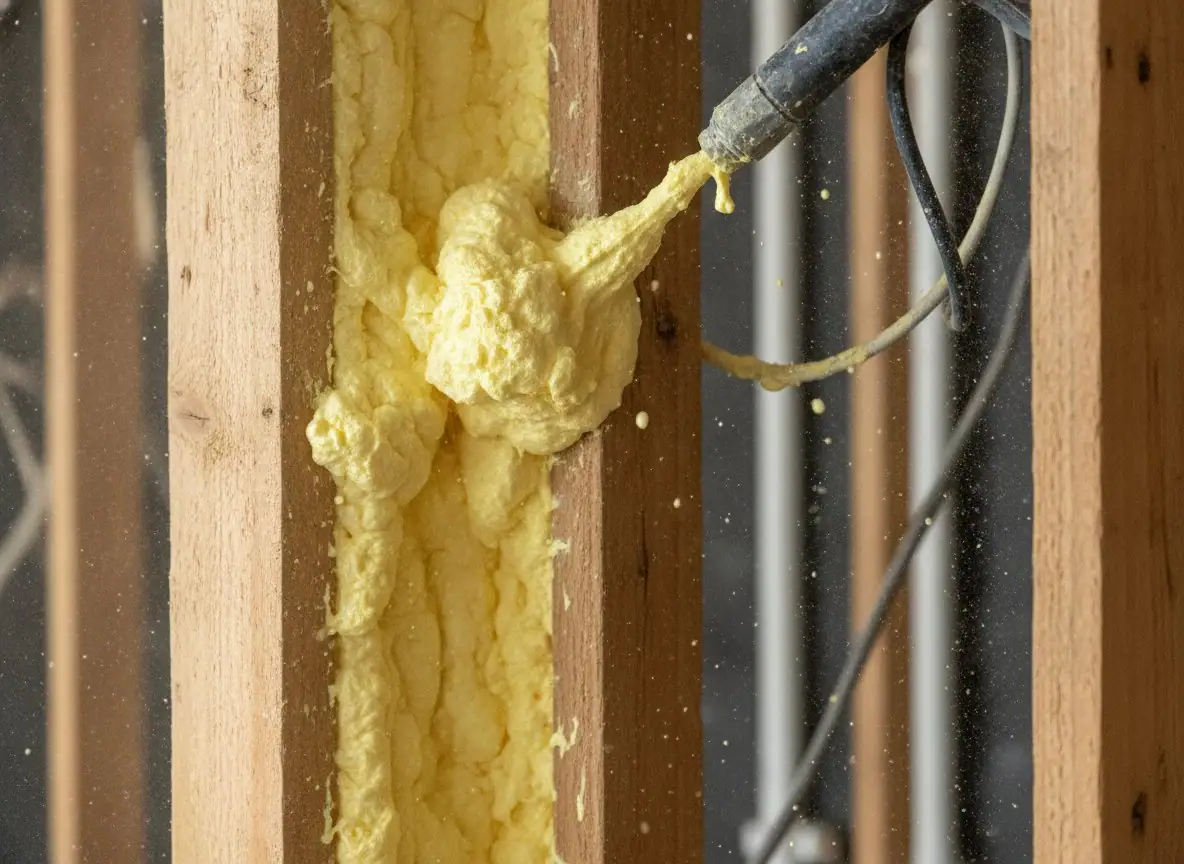
Is spray foam insulation cost effective, and what are the risks of spray foam insulation?
Spray foam is cost effective in crawl spaces where air sealing and moisture resistance matter most. Rim joists, irregular framing and sealed crawl spaces are good examples. It is less cost effective for simply filling open floor joist bays in a dry, vented space. Closed-cell foam acts as an air barrier and a vapor retarder in one product, so it can replace several separate steps.
The risks of spray foam insulation are real, and you should weigh them before choosing it:
- Installation quality: incorrectly mixed or applied foam can shrink, pull away from framing, or leave a lingering odor.
- Re-occupancy: the area needs ventilation and time to cure before people return.
- Hidden framing: foam covers wood, which makes later inspection for rot or pests harder.
- Difficult removal: taking spray foam out later is labor-intensive.
- Moisture trapping: foam applied over wet wood or without fixing water problems can make them worse.
Learn more about our spray foam insulation service or the spray foam insulation cost. Material is only part of the price, though. Site conditions and add-ons often move the total more.
At a glance
What add-ons and conditions raise the price?
Larger square footage, low clearance, removal and prep work, moisture problems, pest damage and permit requirements raise the price most. Add-ons such as mold remediation, sump pumps, dehumidifiers and pest cleanup can add significantly to a project.
| Cost factor | Why it changes the price |
|---|---|
| Size | More square footage means more material and labor hours. |
| Clearance and access | Low crawl spaces, small hatches and ductwork slow every step. |
| Prep and tear-off | Removing old insulation and debris adds labor and disposal. |
| Moisture | Standing water, wet soil or condensation must be fixed first. This can mean drainage work, a sump pump or a dehumidifier. |
| Mold | Remediation of affected wood adds a separate scope. |
| Pests | Rodent droppings, nesting and damage require cleanup and sealing. |
| Damage extent | Rotted subfloor or framing found during removal changes the job. |
| Permits and code | Some scopes require permits or specific R-values and vapor barriers. |
Homeowners pricing a crawl space often ask about the attic too, and the two are more connected than they seem.
Can you put too much insulation in your attic, and how does that relate to crawl spaces?
You rarely put too much insulation in an attic for thermal reasons, but you can overdo it in practical ways. Each added inch saves less energy than the one before. Heavy loads can stress ceiling drywall, and insulation packed against the roof deck can block soffit vents and cause moisture problems. The same logic applies below the floor. Batts crammed into joist bays get compressed and lose R-value. Insulation that blocks crawl space vents or covers wet wood creates new problems.
The bigger connection is that your house works as one system. Air leaking in at the crawl space rises and escapes through the attic, so sealing both ends often does more than piling extra insulation into one. See our attic insulation service and attic insulation cost page if you are planning both. Whatever the scope, the contractor you choose determines how well it performs.
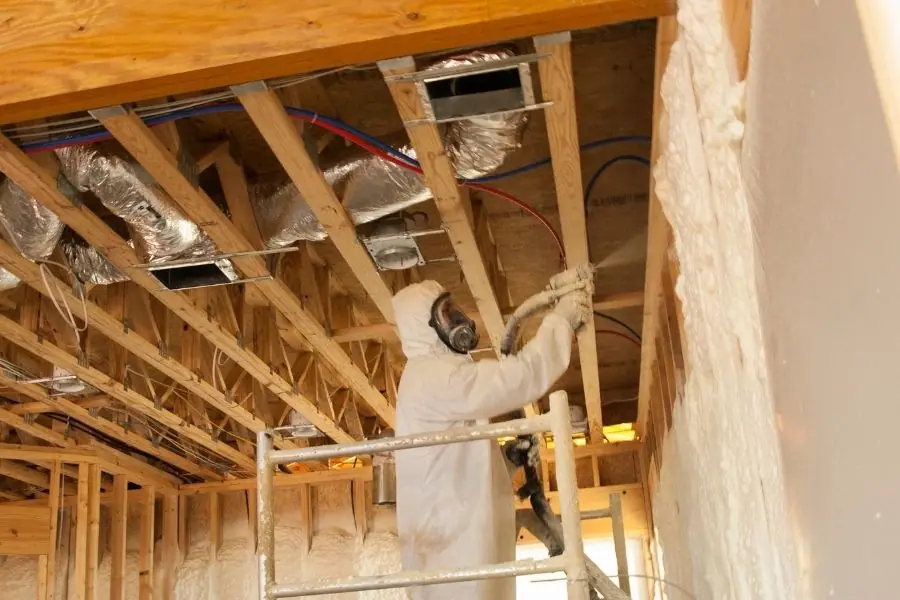
How do you choose a crawl space insulation company in Bothell?
Choose a crawl space insulation company that inspects in person, explains moisture conditions before recommending insulation, and gives a written, itemized quote. Ask these questions:
- Do you go into the crawl space and show me photos of what you found?
- Does the quote separate removal, vapor barrier, air sealing and insulation?
- Which R-value and support method are you using, and why?
- How will you handle moisture, mold or pest damage if you find it?
- Are you insured, and do you offer financing?
As an insulation contractor in Bothell, WA, Bothell Insulation Pros is insured and handles crawl space insulation and encapsulation, removal and replacement. That lets us fix the whole crawl space rather than one piece of it. The next step is getting your own numbers.
How do you get a free crawl space insulation estimate?
To get a free crawl space insulation estimate, call us or fill out the free inspection form. We schedule a visit, inspect the crawl space, and give you a written quote with the options that fit your home. The inspection covers square footage, access, existing insulation, moisture, pests and air leaks, so the price reflects your actual crawl space.
Financing and insurance claim help: financing is available for crawl space insulation and encapsulation projects. If water, a plumbing leak or another covered event damaged your crawl space insulation, we can help you document the damage and work through your insurance claim. For urgent water or damage problems, we offer 24/7 emergency service.
Call (425) 528-8317 or use the free inspection form on our contact page to schedule your visit.
FAQ
Frequently asked questions
Is it better to insulate the crawl space walls or the floor above it?
It depends on whether the crawl space is vented or sealed. In a vented crawl space, insulate the floor above it. In a sealed or encapsulated crawl space, insulate the foundation walls and rim joists so the space stays close to the house's temperature. Ducts or plumbing in the crawl space often favor the sealed, wall-insulated approach.
Which R-value do I need for a crawl space in Bothell?
Bothell is in a marine climate zone. Washington's energy code generally calls for about R-30 in floors over unconditioned crawl spaces and continuous insulation on walls of conditioned crawl spaces. Code requirements are updated periodically, so we confirm the current target for your project during the inspection.
How long does crawl space insulation last?
Kept dry and supported, batts and foam can last for decades. In practice, crawl space insulation usually fails early because of moisture, sagging or rodents, not age. Fixing moisture and pest entry is the best way to make it last.
Can wet or moldy crawl space insulation be saved?
Usually not. Fiberglass that has been soaked loses R-value, holds moisture against wood and can harbor mold. Remove it, correct the moisture source, treat affected framing and then reinsulate.
Does crawl space insulation lower heating bills?
Yes. Insulating and air sealing the crawl space reduces heat lost through the floor and cuts drafts, and floors feel warmer. How much you save depends on your current insulation, air leakage and heating system.
Should I encapsulate instead of just insulating?
Encapsulate if your crawl space has moisture, musty odors, mold or ducts running through it. Insulation alone is often enough if the space is dry and vented. Our free inspection will show which approach fits your home. Call (425) 528-8317 to schedule it.
Why choose us
Why choose Bothell Insulation Pros?
Free estimates
Get a clear, no-obligation estimate before any work begins.
Licensed & insured
Your property and our crew are protected on every project.
Residential & commercial
One team for homes, multi-family and commercial properties.
Locally owned & operated
A local team serving your community and the surrounding area.
Get in touch
Find insulation help near you
Request a free estimate online or give us a call — our team will follow up quickly.
- Call us(425) 528-8317
- Visit19125 N Creek Pkwy Ste 120 A, Bothell, WA 98011
- HoursMon-Sun: 7:00 am – 7:00 pm