
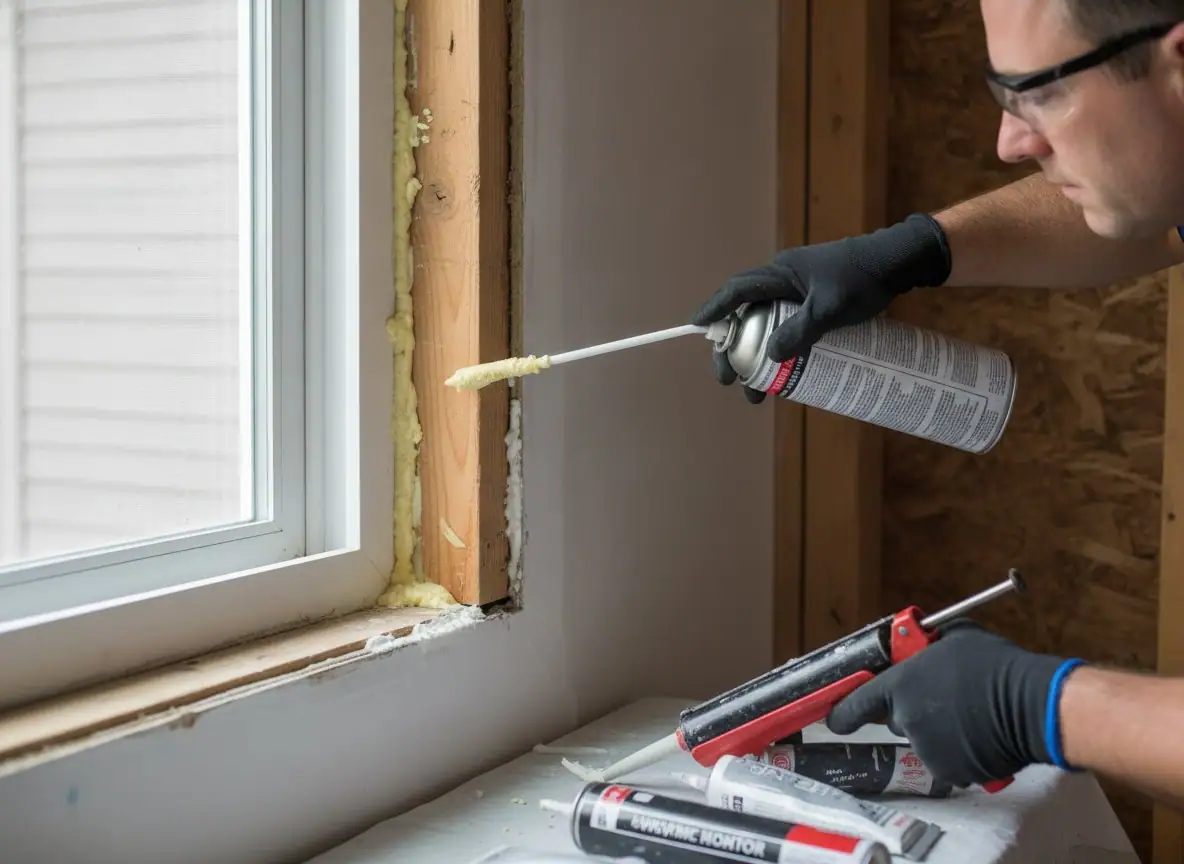
Insulation Removal in Bothell, WA
Insulation removal is the process of clearing old, damaged or contaminated insulation out of an attic, crawl space or wall cavity so the space can be cleaned, sealed and properly re-insulated. At Bothell Insulation Pros, we handle attic insulation removal, crawl space insulation removal and full insulation replacement for homes and commercial buildings in Bothell, WA.
This page covers the decisions homeowners usually face. It explains when removal makes sense, how the work is done, what DIY involves, what drives the cost, and how insurance fits in. If you already have water, smoke or pest damage, our 24/7 emergency service is available at (425) 528-8317.
What is insulation removal?
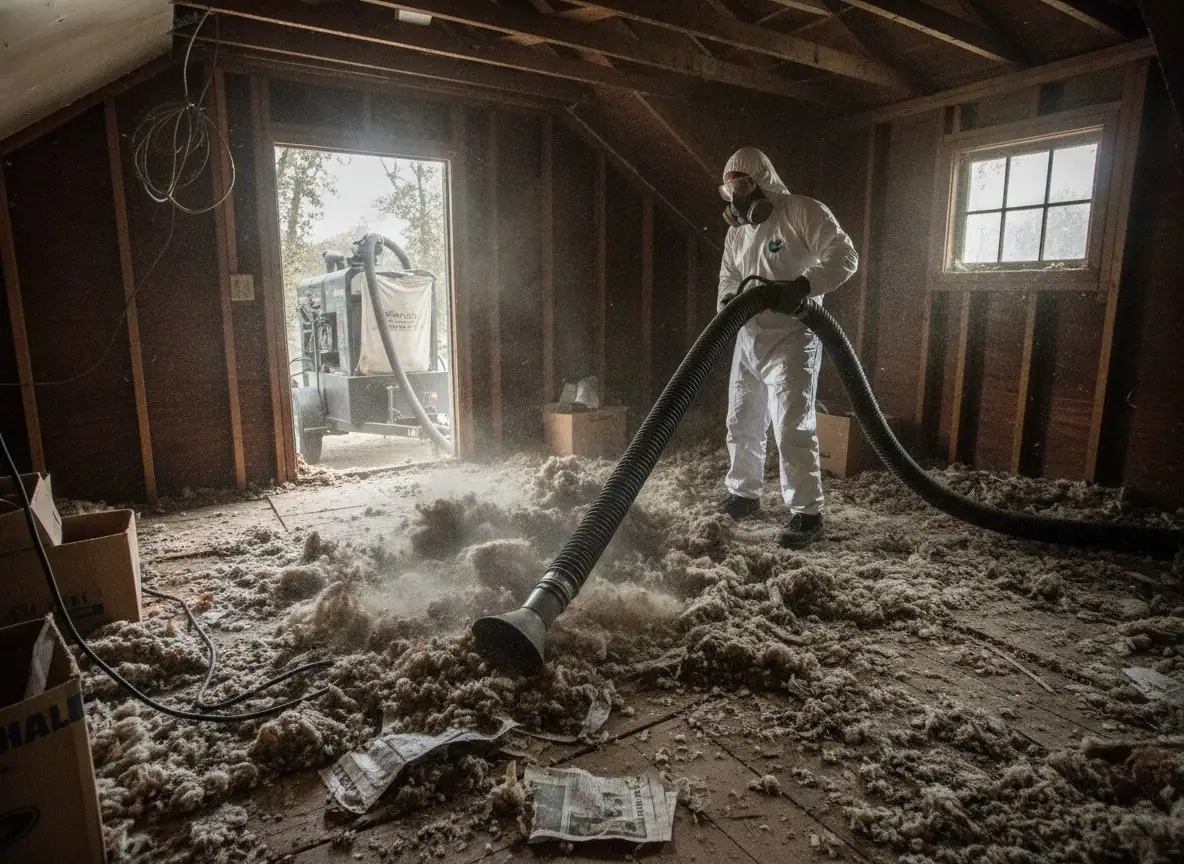
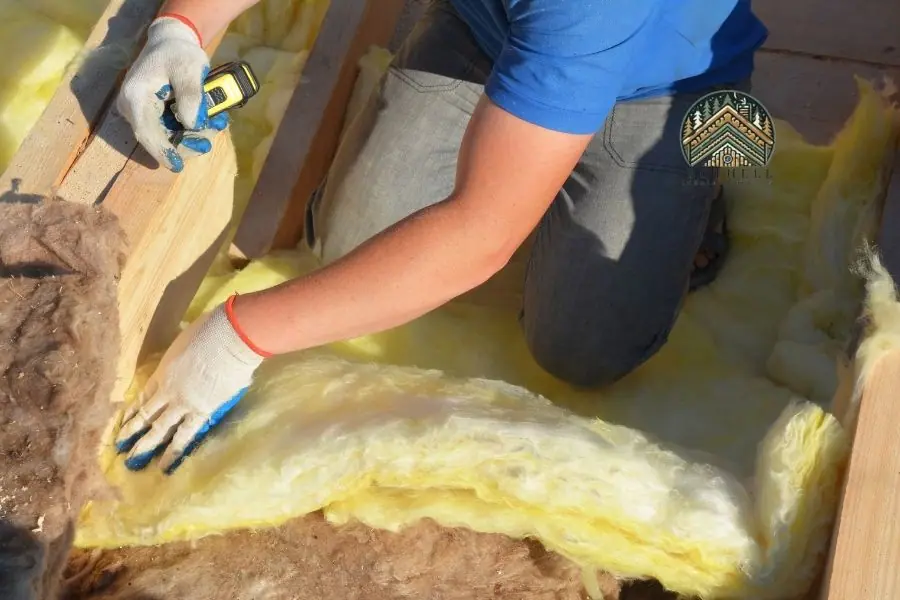
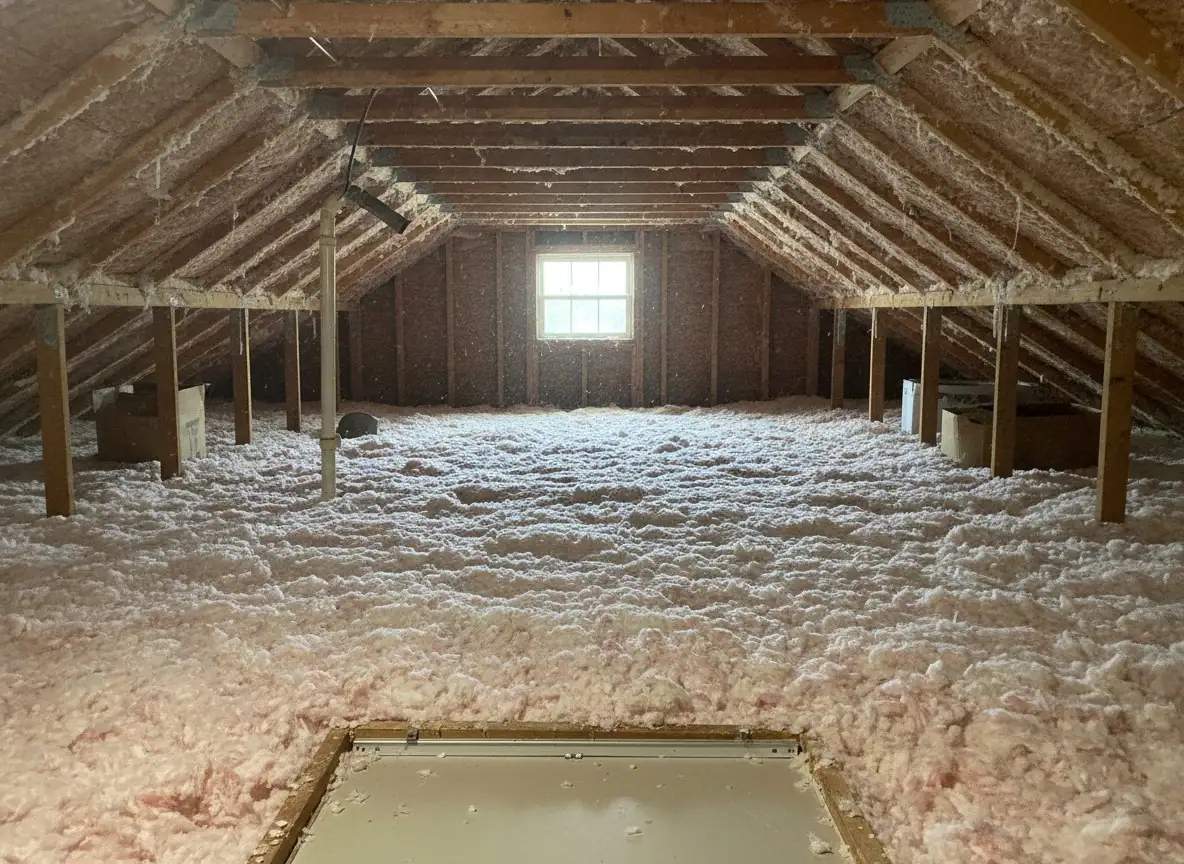
Insulation removal is the safe extraction and disposal of insulation that is no longer doing its job or has become a health or building hazard. It is most common in attics, where loose-fill fiberglass or cellulose is pulled out with a high-powered insulation vacuum and fed into large disposal bags outside the house. In crawl spaces and walls, crews usually cut out and bag batts or rolls by hand.
A general junk removal or attic cleanout service hauls things away. Insulation-specific removal goes further:
- Contaminated material is contained so it does not spread into living areas.
- The attic floor and framing are cleaned and, where needed, sanitized.
- Air leaks are sealed before new insulation goes in.
- The space is re-insulated to a proper depth.
That full sequence is what restores comfort and energy performance, which raises the practical question of whether your old insulation needs to come out at all.
Should I remove old insulation?
You should remove old insulation if it is wet, moldy, contaminated by pests, smoke-damaged or badly compressed. If it is simply thin but clean and dry, you can usually add new insulation on top of it. Age alone is not a reason to remove insulation. Condition is.
Use these decision rules:
- Clean, dry, evenly distributed but too shallow: top it up with blow-in insulation.
- Isolated damage, such as one wet area under a roof leak: fix the leak, then remove and replace the affected section.
- Widespread contamination, odor, mold or rodent activity: plan on full removal, cleaning and re-insulation.
- Air sealing or attic repairs are needed: removal is often the only practical way to reach the attic floor.
Moist winters in the Puget Sound area, along with common rodent pressure, make some of these problems more likely here. Knowing what to look for is the next step.
Free, no-obligation estimates
Talk to Bothell Insulation Pros
Tell us what you need and we’ll take it from there.
Signs your attic insulation needs to be removed
The clearest signs are visible contamination, moisture damage and odors. Use this checklist when you look into your attic, or ask us to do it during a free inspection:
- Pests: rodent droppings, urine staining, nests, tunnels through the insulation, or signs of birds, squirrels or raccoons.
- Water damage: matted, clumped or stained areas below roof leaks, vents, skylights or bathroom fans.
- Mold: dark spotting on insulation, roof sheathing or rafters, or a musty smell.
- Fire or smoke: soot, discoloration or lingering smoke odor after a house fire or nearby fire.
- Other contamination: construction debris, animal remains or chemical odors.
- Performance problems: compressed insulation, uneven rooms, ice or condensation in the attic, or rising heating bills.
Read moreShow less
Suspected vermiculite: Vermiculite is a lightweight, pebble-like fill that is gray-brown or silvery-gold. Some of it, sold for decades, may contain asbestos. Do not disturb, vacuum or sweep it. Keep people and stored items out of the attic, and have a sample tested by an accredited lab before any work begins. If it tests positive, removal must be handled by a qualified asbestos abatement contractor under applicable regulations.
If you see one or more of these signs and vermiculite is not involved, here is how a professional removal and cleanout works.
How is attic insulation removed and cleaned out?
Attic insulation is removed with a commercial insulation vacuum that pulls material through a large hose into bags outside the home. The attic is then cleaned, sealed and re-insulated. Our attic cleanup and insulation process follows these steps:
- Assess: inspect the attic, identify the insulation type, depth and contamination, check for vermiculite, and note leaks or ventilation problems.
- Contain: protect the attic hatch, hallways and floors, and set up the hose route so debris does not enter living spaces.
- Vacuum out: remove loose-fill blown-in insulation by vacuum. Batts are cut, rolled and bagged by hand.
- Dispose: seal the bags and haul them away for proper disposal.
- Clean: remove droppings and debris, and sanitize or deodorize where contamination was present.
- Air seal: seal top plates, plumbing and wiring penetrations, can lights and other gaps in the attic floor.
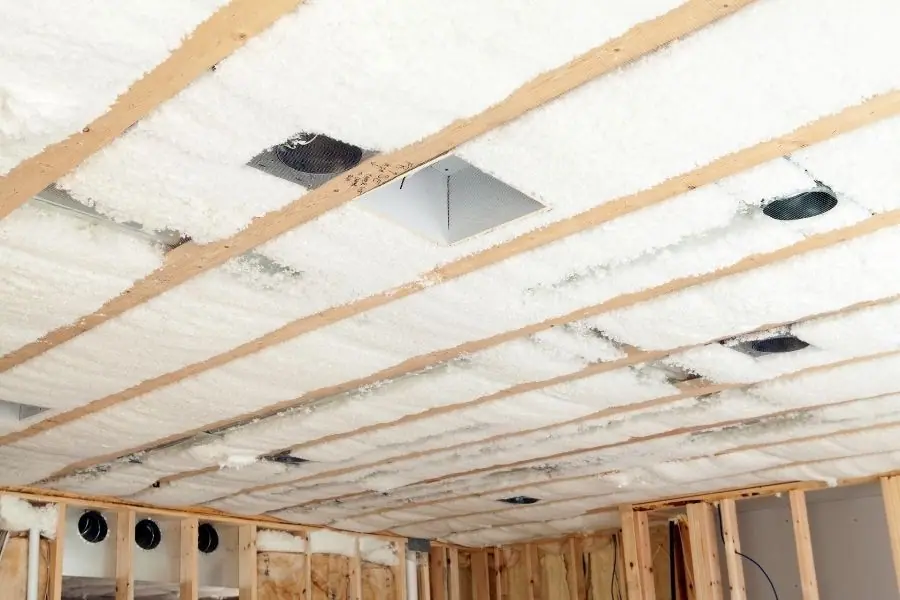
- Re-insulate: install new attic insulation to the target depth, usually blown-in fiberglass or cellulose, or spray foam where it fits the design.
The vacuum in step three is the key piece of equipment, and many homeowners wonder whether they can rent one.
Can you rent a machine to remove attic insulation?
Sometimes, but insulation removal vacuums are much harder to rent than blowing machines. The machines that home improvement stores loan out with insulation purchases blow insulation in. They are not built to pull it out.
Some equipment rental shops carry insulation removal vacuums, and smaller gas or electric units can be bought for DIY use. Before you go that route, keep these points in mind:
- A standard shop vacuum clogs quickly and fills in minutes.
- You need heavy-duty removal bags, a long hose run, and a plan for where the full bags will sit.
- Rental vacuums do not solve containment, sanitizing or disposal.
Having the machine is only part of it, so the bigger question is whether DIY makes sense.
At a glance
Can you remove blown-in insulation yourself?
Yes. You can remove blown-in insulation from an attic yourself if it is clean, not vermiculite and the attic is reasonably accessible. It is hot, dusty and slow work, though, and contaminated material raises the risk considerably. DIY usually involves an insulation removal vacuum or rakes and bags, insulation knives for batts, a respirator, goggles, gloves and disposable coveralls.
| Factor | DIY removal | Professional removal |
|---|---|---|
| Equipment | Rented or purchased vacuum, bags, knives, PPE | Commercial vacuum, containment and cleaning gear supplied |
| Contaminated material | Exposure to droppings, mold and dust | Contained, bagged and sanitized |
| Time | Often several days, done in stages | Typically one to a few days for a full sequence |
| Safety | Risk of stepping through ceilings and of heat stress | Crews trained for attic work |
| Air sealing and re-insulation | Separate project | Done in the same job |
| Insurance documentation | Homeowner photographs and records | Inspection findings documented for claims |
Attics get most of the attention, but crawl spaces and walls have their own considerations.
What about crawl space and wall insulation removal?
Crawl space insulation removal is common because underfloor batts in damp crawl spaces often sag, absorb moisture, grow mold or house rodents. Crews cut down the failed batts, bag them in the crawl space and remove debris. Then the moisture source gets addressed. Often the best long-term fix is crawl space insulation combined with encapsulation, so the new material stays dry.
Wall insulation is a different case. Getting to it means opening drywall from inside or siding from outside. Removal therefore usually happens during renovations, after water or fire damage, or when a specific wall is contaminated. That leads to a question many homeowners ask about wall cavities.
Is it worth removing cavity wall insulation?
Removing cavity wall insulation is worth it when the insulation is wet, moldy, contaminated or causing damp problems on interior walls. It is usually not worth it when the material is dry and performing reasonably well. Because walls must be opened, removal adds patching and finishing costs.
Good reasons to remove wall insulation include:
- Persistent damp spots, staining or mold on interior walls.
- Water intrusion from failed siding, windows or plumbing.
- Smoke or fire damage.
- Walls already opened for remodeling. In that case, replacing with new batts or spray foam is efficient.
Whichever area is involved, homeowners next want to know how long the work takes.
How long does insulation removal take?
Most attic insulation removal jobs on a typical home take one to two days. Cleaning, air sealing and re-insulation can add another day. Larger or heavily contaminated projects take longer.
- Insulation depth and type: deep blown-in layers take longer to vacuum than thin batts.
- Contamination: rodent cleanup and sanitizing add time.
- Access: low-slope roofs, tight hatches and crowded framing slow the crew down.
- Scope: crawl spaces and walls are separate phases.
Those same factors drive the price.
At a glance
How much does insulation removal cost in Bothell, Wa?
The cost of insulation removal in Bothell depends on the size of the space, how much material is there, how contaminated it is, how easy it is to reach, and disposal. We give a written quote after a free inspection. General per-square-foot averages are easy to find online, but they leave out contamination, access and re-insulation, so they are rarely accurate for a specific home.
| Cost factor | Why it matters |
|---|---|
| Attic size | More square footage means more material to remove and replace. |
| Insulation depth | Deep layers of blown-in material mean more volume, more bags and more time. |
| Contamination | Rodent waste, mold or smoke require containment, cleaning and sanitizing. |
| Access and roof pitch | Low clearance, small hatches and long hose runs slow the work. |
| Disposal | Volume and the type of material affect hauling and disposal fees. |
| Additional work | Air sealing, repairs, re-insulation and any required permits add to scope. |
See our insulation removal cost guide for more detail. Financing is available to help spread out the cost of removal and replacement. When damage comes from a sudden event, insurance may also play a role.
Does insurance cover insulation removal?
Homeowners insurance may cover insulation removal when the damage comes from a sudden, covered event. Examples include a burst pipe, storm damage to the roof, or a fire. Damage from gradual wear, long-term leaks or neglect is often excluded. Pest contamination coverage varies by policy.
We help homeowners with insurance claims by:
- Documenting the damage with photos and inspection notes.
- Explaining the scope of removal, cleaning and replacement.
- Providing a written estimate for your adjuster.
For active leaks, smoke damage or wet insulation sagging into a ceiling, call our 24/7 emergency service at (425) 528-8317 so the damage can be assessed and limited. Whether your job is an emergency or planned, choosing the right contractor matters.
How do you choose an insulation removal company in Bothell?
Choose a company that removes, cleans, air seals and re-insulates as one project, inspects before quoting, and puts the scope in writing. Ask these questions:
- Will you inspect for vermiculite and moisture sources before starting?
- How will you contain dust and protect my living areas?
- Does the quote include cleaning, air sealing, disposal and new insulation?
- Are you insured?
- Can you help document the damage for an insurance claim?
Bothell Insulation Pros is insured and offers insulation removal and replacement along with all insulation services in Bothell. You can also read customer reviews or view our project gallery. The easiest next step is an inspection.
Schedule a free inspection or emergency service
Call (425) 528-8317 to schedule a free inspection. We will check your attic or crawl space, identify the insulation type and any contamination, and give you a written quote. Emergency service is available 24/7, and financing is available. You can also reach us through our contact page.
FAQ
Frequently asked questions
How much does it cost to have foam insulation removed?
Spray foam removal usually costs more than removing loose-fill insulation. The foam bonds to framing and sheathing and has to be cut or scraped off by hand. Price depends on foam type and thickness, the area involved and access. We provide a written quote after a free inspection.
What happens to cavity wall insulation after 25 years?
After decades in the wall, insulation can settle, sag or compress, leaving uninsulated gaps at the top of the cavity. If water has gotten in through siding or window leaks, it may also hold moisture or grow mold. Dry, intact insulation can still perform, so an inspection should guide the decision.
Is old insulation dangerous to remove?
Old fiberglass and cellulose mainly irritate the skin, eyes and lungs. Contaminated insulation can expose you to rodent waste and mold. Vermiculite may contain asbestos and should be tested before it is touched.
What should I do with removed insulation?
Seal it in heavy-duty bags and dispose of it according to local rules. Contaminated material should never be reused. Professional removal includes hauling and disposal.
Can you replace insulation right after removal?
Yes. Once the space is cleaned, dry and air sealed, new insulation can go in right away, often during the same project. Moisture problems must be fixed first.
Should attic air sealing be done after removal?
Yes. An empty attic floor is the best time to seal gaps around penetrations and top plates. Doing so improves comfort and helps the new insulation perform. Call Bothell Insulation Pros at (425) 528-8317 for a free inspection.
Why choose us
Why choose Bothell Insulation Pros?
Free estimates
Get a clear, no-obligation estimate before any work begins.
Licensed & insured
Your property and our crew are protected on every project.
Residential & commercial
One team for homes, multi-family and commercial properties.
Locally owned & operated
A local team serving your community and the surrounding area.
Get in touch
Find insulation help near you
Request a free estimate online or give us a call — our team will follow up quickly.
- Call us(425) 528-8317
- Visit19125 N Creek Pkwy Ste 120 A, Bothell, WA 98011
- HoursMon-Sun: 7:00 am – 7:00 pm